Before you buy a plot of land in Jordan, the most important question is not the price or the view. It is the land's classification. The classification tells you what you are legally allowed to build, how big the building can be, and sometimes whether you can build at all.
Two plots on the same street can have very different values simply because one is zoned residential and the other commercial. In this article, we explain the main land classes in Jordan in simple terms, so you know what you are looking at before you make an offer.
First things first: inside or outside the zoning plan
Every plot in Jordan falls into one of two big groups. Land inside the zoning plan (dakhel al-tanzeem) is covered by an official municipal plan. It has a set classification, defined streets, and clear building rules.
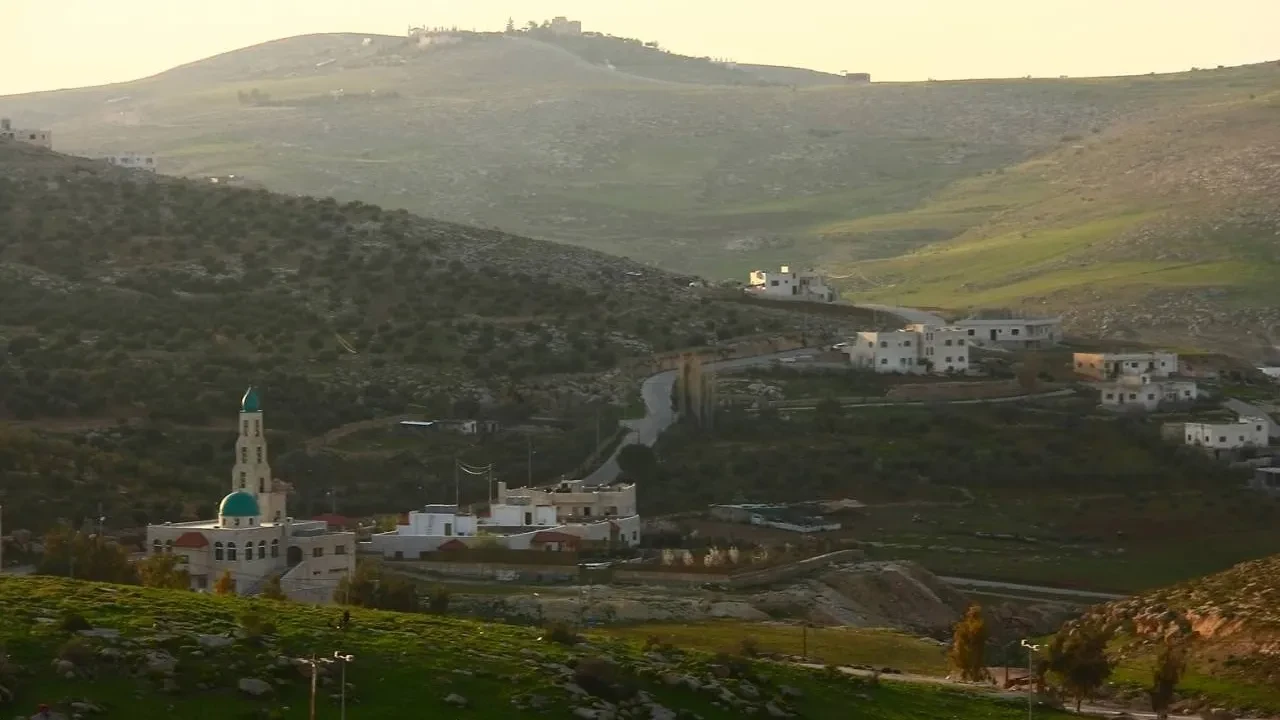
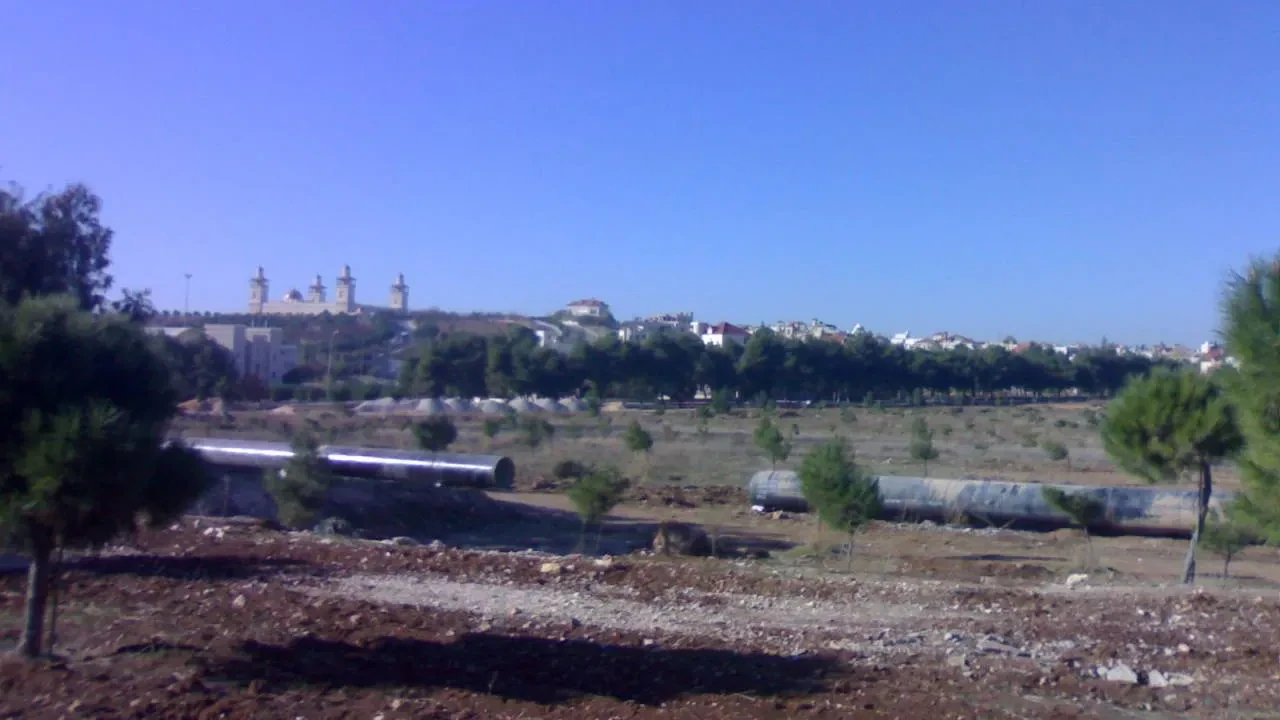
Land outside the zoning plan (kharej al-tanzeem) has not been organised yet. It is usually treated as agricultural, and building on it is very limited. Many buyers purchase it hoping it will be brought into the zoning plan later. That can raise its value a lot, but there is no guarantee it will happen or when.
Residential land
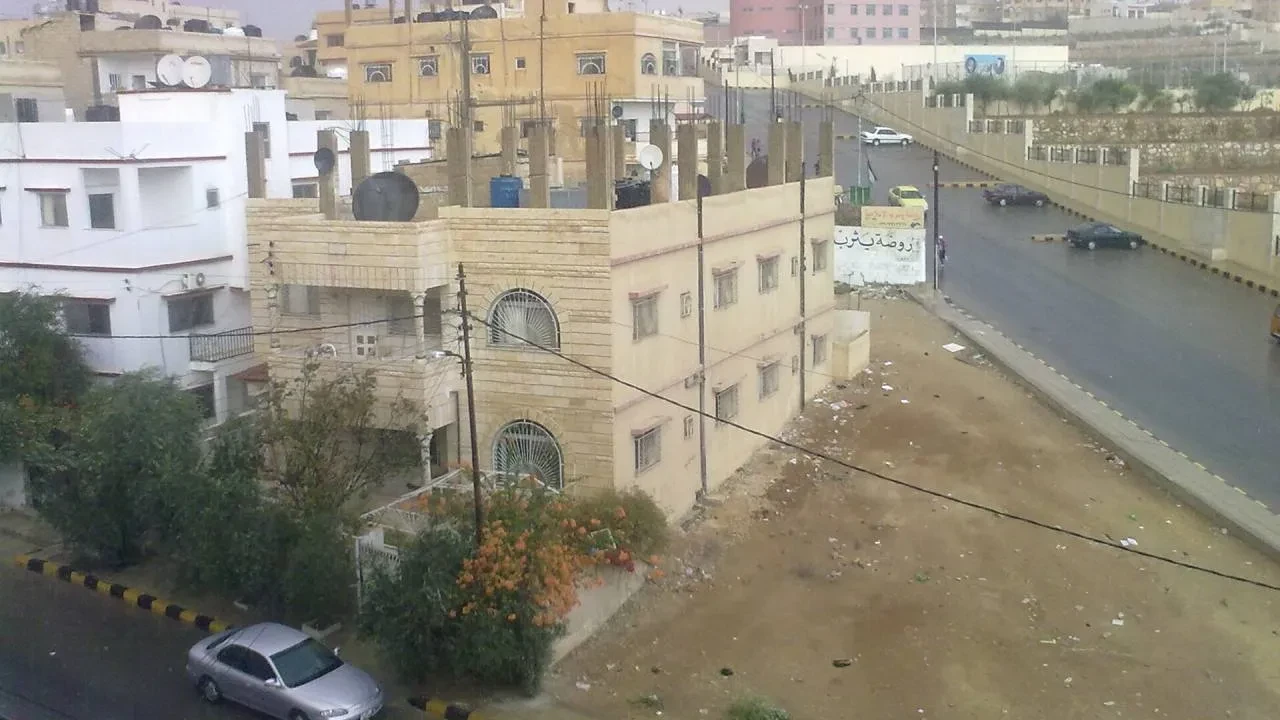
Residential land is meant for homes: villas, houses, and apartment buildings. In Jordan it is split into grades, usually labelled A, B, C and D (Sakan Alef, Ba, Jeem, Dal). The grade controls the minimum plot size, how much of the plot you can build on, how far the building must sit from the plot edges, and how many floors you can add.
As a rule, Residential A plots are larger and allow less dense building, so they tend to be in quieter, higher-end neighbourhoods. Residential D allows more building on a smaller plot. You may also see special classes such as rural housing or agricultural housing, which allow homes on larger plots at the edges of towns and villages.
Commercial land
Commercial land allows shops, offices and mixed-use buildings, and sometimes apartments on the upper floors. It is usually found on main roads, and the price per square metre is higher than the residential land next to it. But value here follows location more than anything else: a commercial plot on a quiet street can sit without demand for years.
Also watch for conditions that come with the class, such as required parking or larger setbacks from the street. These reduce the area you can actually build on.
Agricultural land
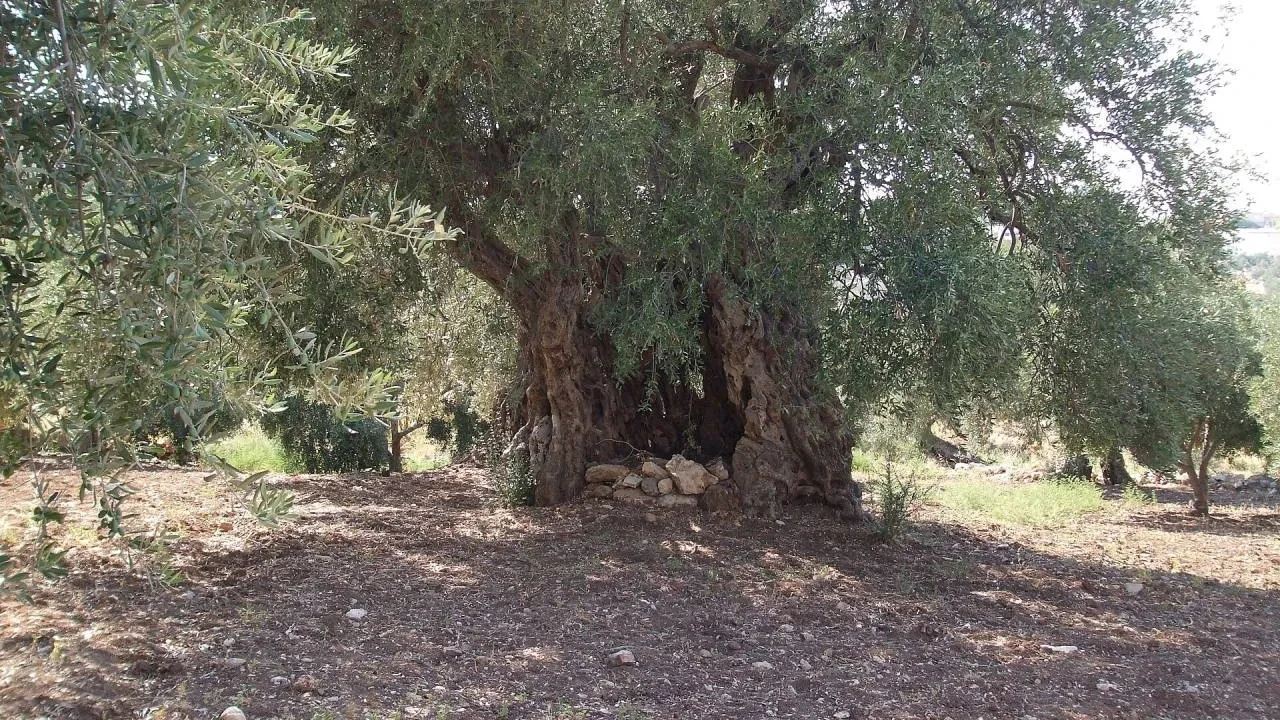
Agricultural land is usually cheaper, because building on it is restricted. You are generally allowed one small building to serve the farm or house the family, within tight limits, and you cannot divide and sell it as residential plots. It suits someone who wants to grow olives or fruit trees, or simply wants open land for the family. It does not suit someone planning an apartment building.
Industrial land
Industrial land sits in designated areas, such as industrial cities and zones. It needs wide roads for trucks, stronger power and water supply, and it is subject to environmental rules. Before buying, ask which kinds of industry are allowed, because not every activity is accepted in every zone.
How to check a plot's classification
Do not rely on the seller's or broker's word alone. Ask for the basin and parcel numbers, then check two places yourself: the Department of Lands and Survey for the deed and area, and the municipality (or Greater Amman Municipality in the capital) for a zoning certificate that states the class, the building rules, the setbacks and any planned streets.
Ask for a recent certificate, because zoning rules can change. If the plot is close to a planned road or a public project, ask whether part of it will be taken for the street, since that changes the area you will actually build on.
The short version
Before you negotiate the price, know the class. Ask: is the plot inside the zoning plan? What grade is it? What are the minimum area and maximum height? Does it match what you want to do with it? Only then does the price become a number you can compare.